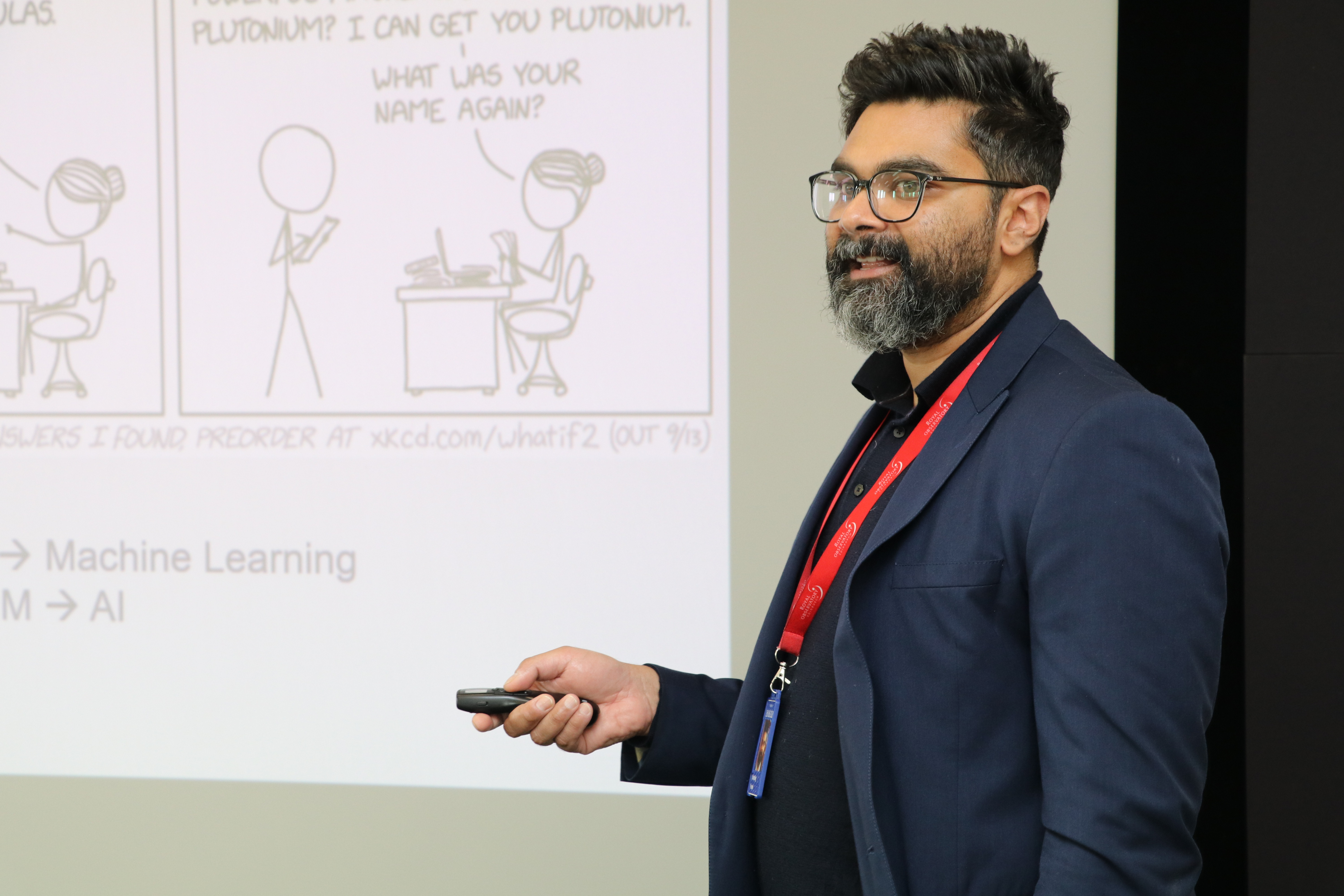
 In March, the team at the UK Astronomy Technology Centre (UK ATC) brought together researchers, engineers, and policymakers for a workshop on AI and radio astronomy — one strand of a broader study being carried out for UKRI's Digital Research Infrastructure programme. The goal: to understand how AI will shape radio astronomy in the era of the SKA Observatory (SKAO), and what the UK needs to do to be ready.
The workshop was built around three interconnected pillars - scientific drivers, technical enablers and policy frameworks - reflecting the reality that AI adoption in large-scale science isn't just a technical challenge. It's an organisational and governance one too.
The science case
The starting point was a deceptively simple question: what kind of astronomy is only possible with AI? Not just made easier, but genuinely unlocked, science that would be too complex or too data-intensive for conventional approaches. Answering that question is what helps prioritise where investment and infrastructure effort should go.
A community already at the frontie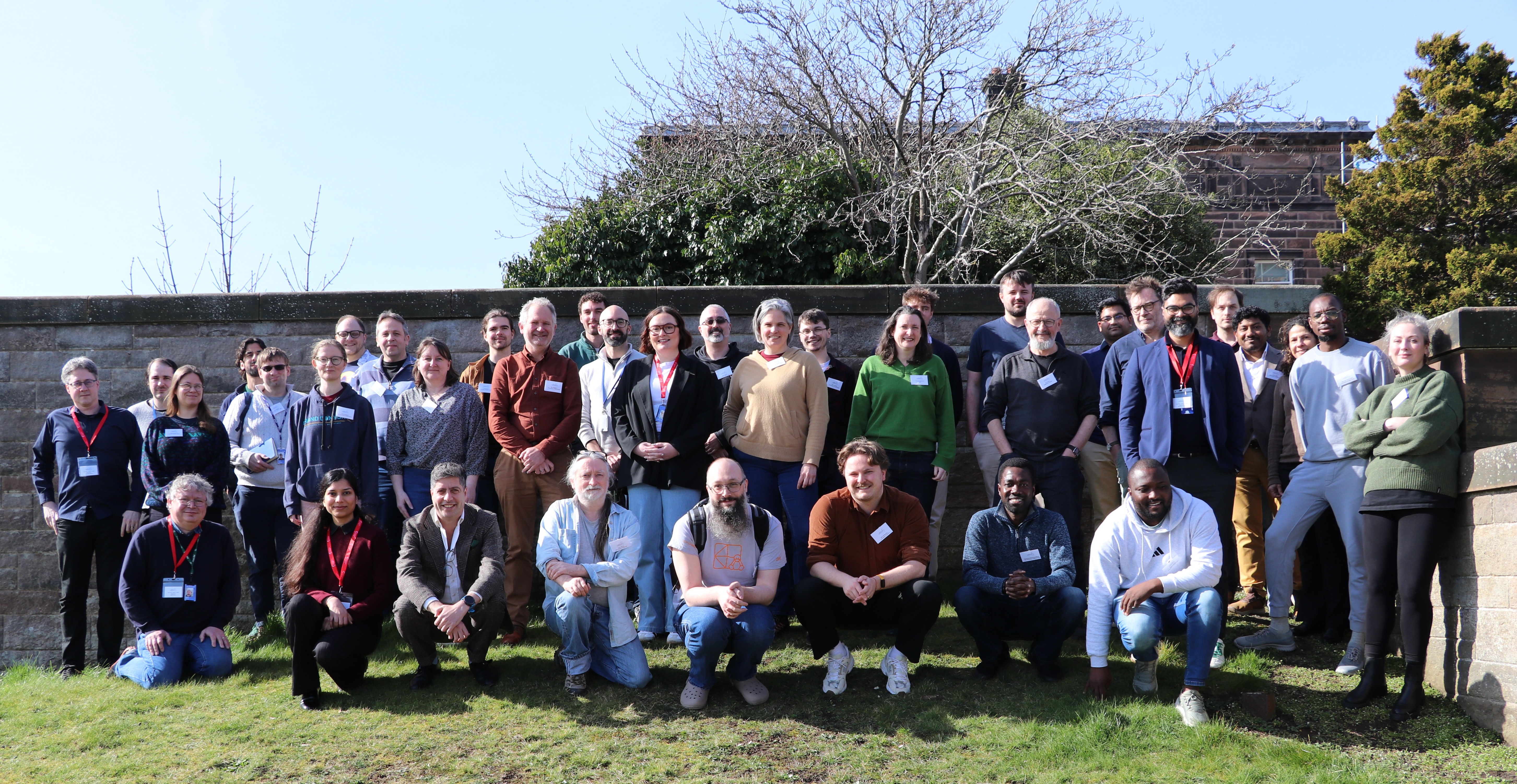 r
r
One of the clearest messages to emerge from the workshop was just how advanced the UK radio astronomy community already is. Professional astronomers, in collaboration with data scientists, are applying cutting-edge machine learning techniques to real scientific problems. This isn't exploratory dabbling; in many cases it's frontier work.
That said, AI isn't always the right tool, and the community knows it. What's needed now is a shared framework. Best practices for AI-driven science that embed explainability as a foundation, ensure adherence to FAIR (Findable, Accessible, Interoperable, Reusable) data principles, and give researchers clear guidance on when AI adds genuine value and when it doesn't.
Infrastructure: capacity isn't the constraint
The UK's digital infrastructure already provides significant compute capacity, with more investment planned. The opportunity - and the challenge - is making better and more effective use of those resources. That means smarter models for access and allocation, and enabling policies that reduce friction for researchers who want to work across facilities and institutions.
The barrier, in short, isn't what's available. It's coordination.
Policy can't be an afterthought
Perhaps the most urgent takeaway from the workshop is that governance frameworks need to be developed now, before infrastructure procurement decisions are finalised, not after. From data provenance and reproducibility to explainability and responsible use, the policy questions in AI-driven science are significant. Delaying those conversations means designing systems that are harder to trust and harder to audit.
A broader ambition
This workshop sits within a much larger R&D effort. The UK ATC is actively developing its programme on AI for astronomy and instrumentation through STFC funding, contributing to projects with our RadioNet partners on intelligent observatory systems, and maintaining close collaboration with the European Southern Obervatory and other major international observatories.
The challenges the radio astronomy community is grappling with - scale, data intensity, reproducibility, responsible automation - are not unique to this field. The frameworks and best practices being developed here have the potential to travel much further.
The UK is well placed to lead on this. The ambition is there. The next step is making sure the coordination, the governance and the infrastructure access models keep pace with it.